Artificial Intelligence (AI) and tools like ChatGPT have become the defining forces of our era. From boardrooms to classrooms, from manufacturing to personal assistants, their influence is undeniable. Yet, as with any transformative technology, the story is not one-sides, it carries both immense benefits and looming threats.
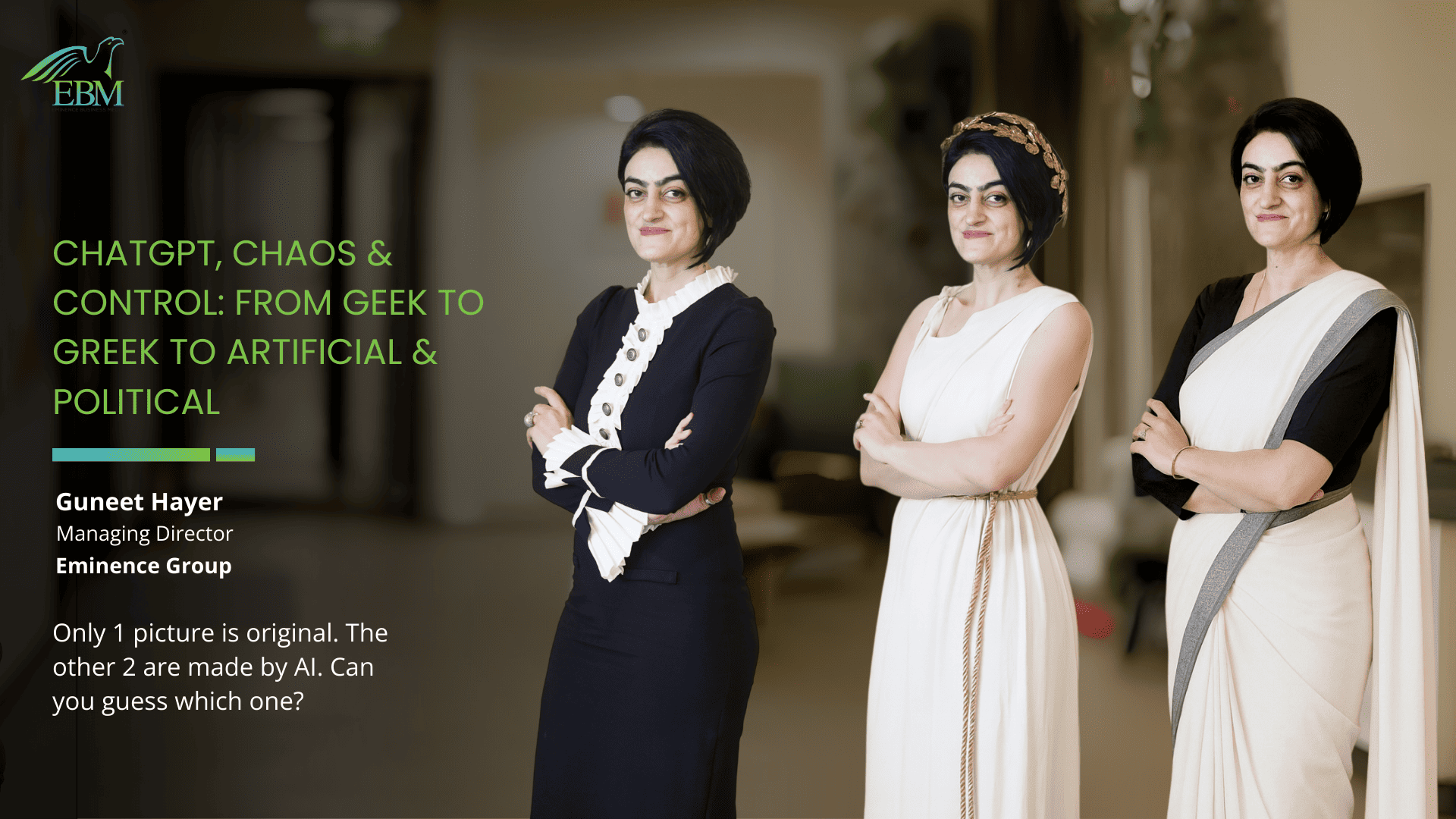
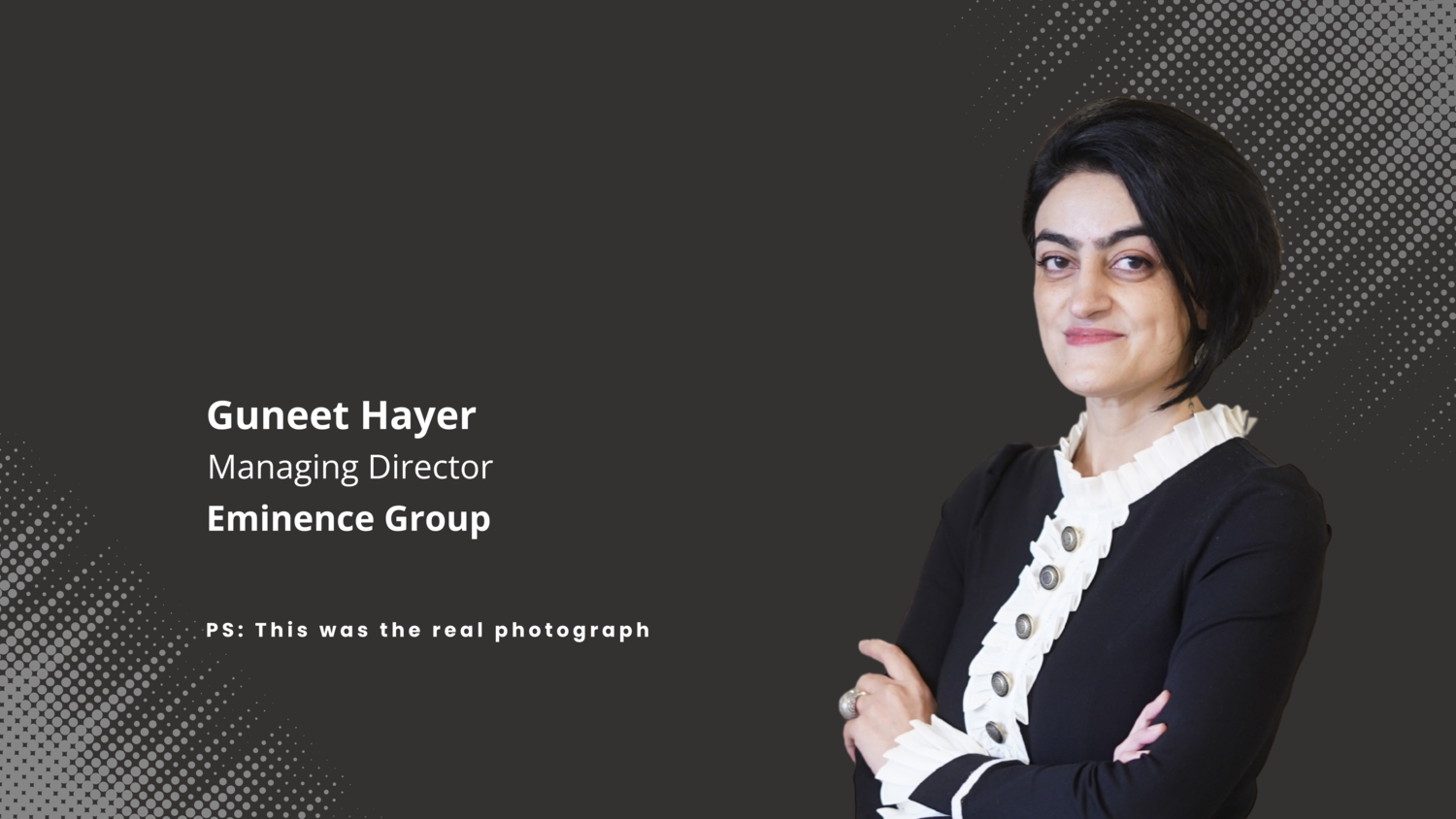
The three images- the original picture, the Ancient Greek outfit, and the Indian political woman, perfectly capture this journey. Just as civilizations evolved from philosophy to politics, AI is shaping how humanity thinks, creates, and governs. And yes, intelligence, like fashion, seems to keep changing outfits.
The Benefits: Efficiency, Creativity, and Democratization
• Efficiency Redefined
AI automates repetitive tasks with unmatched speed and accuracy. In healthcare, it scans data faster than teams of humans. In business, it reduces paperwork, optimizes supply chains, and makes operations leaner. (Think of it as your 24/7 employee who never calls in sick, though it may hallucinate on Mondays.)
• Creativity Unleashed
ChatGPT is not just about answering questions, it co-creates. It helps draft strategies, design marketing hooks, and even assists with art and storytelling. Much like the Greeks invented drama, AI sometimes creates a little too much of it.
• Democratization of Knowledge
AI makes expertise available to everyone, breaking barriers of geography, privilege, or language. The original picture symbolizes today’s reality, while the Greek attire reminds us that wisdom, unlike togas, never goes out of style.
The Disadvantages and Threats:
A) The Disadvantages: Dependency, Bias, and Oversimplification
• Dependency Trap: Over-reliance can weaken human judgment (and yes, that includes outsourcing your wedding speech to ChatGPT). When we let AI do too much of our thinking, we risk dulling our own ability to analyze, question, and decide, critical thinking slowly atrophies, replaced by convenient but shallow shortcuts.
• Bias in the System: AI can unintentionally reinforce stereotypes, like assuming philosophers must wear robes. In other words, AI or ChatGPT can really be more judgemental than your Dehradun aunt.
• Oversimplification: Machines can miss nuance. Ask ChatGPT about love, and you may get a TED Talk when you just wanted a hug. While AI is great with words, the human touch, warmth, and meaning behind those words should never lose their significance.
B) The Threats: Control, Misinformation, and Power Concentration
• Loss of Control: Autonomous systems may outpace governance. Imagine your fridge negotiating with your gym trainer without your consent, notifying them about how many ice creams you sneaked in last week, and then locking the freezer until you run an extra 5 kilometres. It sounds funny, but this metaphor highlights a serious point: when machines start making decisions or sharing data on our behalf, without our explicit control, the balance between convenience and autonomy can tip dangerously.
The humour helps illustrate the risk: AI and IoT devices could create agreements, share personal information, or trigger actions that affect your lifestyle, health, or finances, all faster than regulators or even you can react. Governance, ethics, and safeguards often lag behind technological advances, which means we might wake up one day to find that our “helpful” systems are quietly making choices we never signed up for.
• Misinformation at Scale: Deepfakes and fake news can destabilize societies. If one photo can be dressed up three ways, imagine what AI can do with history books, altering events, fabricating leaders’ speeches, or creating convincing but false “evidence.” What begins as playful experimentation with images can scale into tools that rewrite collective memory. The danger lies not only in fooling individuals but in eroding trust in shared facts, which is the glue holding societies together.
• Concentration of Power: A handful of companies hold AI’s reins. It’s like giving all philosophers, poets, and politicians togas from the same tailor, very efficient, but very risky. When only a few corporations shape the design, distribution, and direction of AI, diversity of thought and innovation shrink. The algorithms, values, and blind spots of those few become amplified into global defaults. What looks like efficiency can quickly become fragility: if the tailor makes a mistake, everyone trips on the same hem.
How to Use and Leverage AI & ChatGPT
Rather than fearing or misusing AI, the key lies in strategic leverage:
• As a Thought Partner: Brainstorm, outline, and refine ideas with AI (think of it as Socrates, but with Wi-Fi).
• For Productivity: Let it handle first drafts, summaries, and repetitive work. You still get the credit, but your coffee stays hotter longer.
• As a Learning Tool: Use it to explain complex topics, role-play scenarios, or settle arguments faster than a family WhatsApp group.
• For Creativity & Storytelling: Tap into its sparks for campaigns, writing, or design. It’s like having an intern who works at the speed of lightning—but doesn’t ask for pizza.
• Always Human-in-the-Loop: Pair AI’s speed with human ethics and judgment. After all, someone has to make sure it doesn’t confuse Plato with Play-Doh.
The Way Forward
Like the transition from the original picture to the Greek philosopher to the political leader, AI represents stages of human evolution. We must embrace its efficiency and creativity but remain vigilant about its risks. The challenge is not about rejecting AI, but about governing it wisely, with transparency, ethics, and accountability.
AI is neither purely a saviour nor a villain. It is a mirror, reflecting our choices, values, and governance. The future, just like the three images, will depend on how we choose to wear the outfits of innovation, wisdom, and responsibility.
And while AI makes our personal lives smoother (from playlists to shopping lists), in pharma and life sciences, it’s a whole different ballgame. In this highly regulated industry, AI cannot just be clever, it must also be compliant.
That’s why the 7th Annual Pharma Manufacturing and Automation Convention 2025 on October 8th – 9th, 2025, at Novotel HICC, Hyderabad, will gather experts to decode how AI can be harnessed responsibly, without compromising safety, quality, or ethics.


AI is the new fabric of our civilization shaping how we think, create, and lead. From efficiency to creativity to democratizing knowledge, it’s transforming every layer of society. Just like intelligence, its “outfit” keeps evolving. Guneet I totally agree with you and with simplicity you have shared a way forward which will definitely give a different vision to use the AI efficiently.